Zambia’s disputed count: why every polling station needs an agent
Hakainde Hichilema won a second term in August, but a suspended tally and a rejected result showed how much rests on the people watching the count.
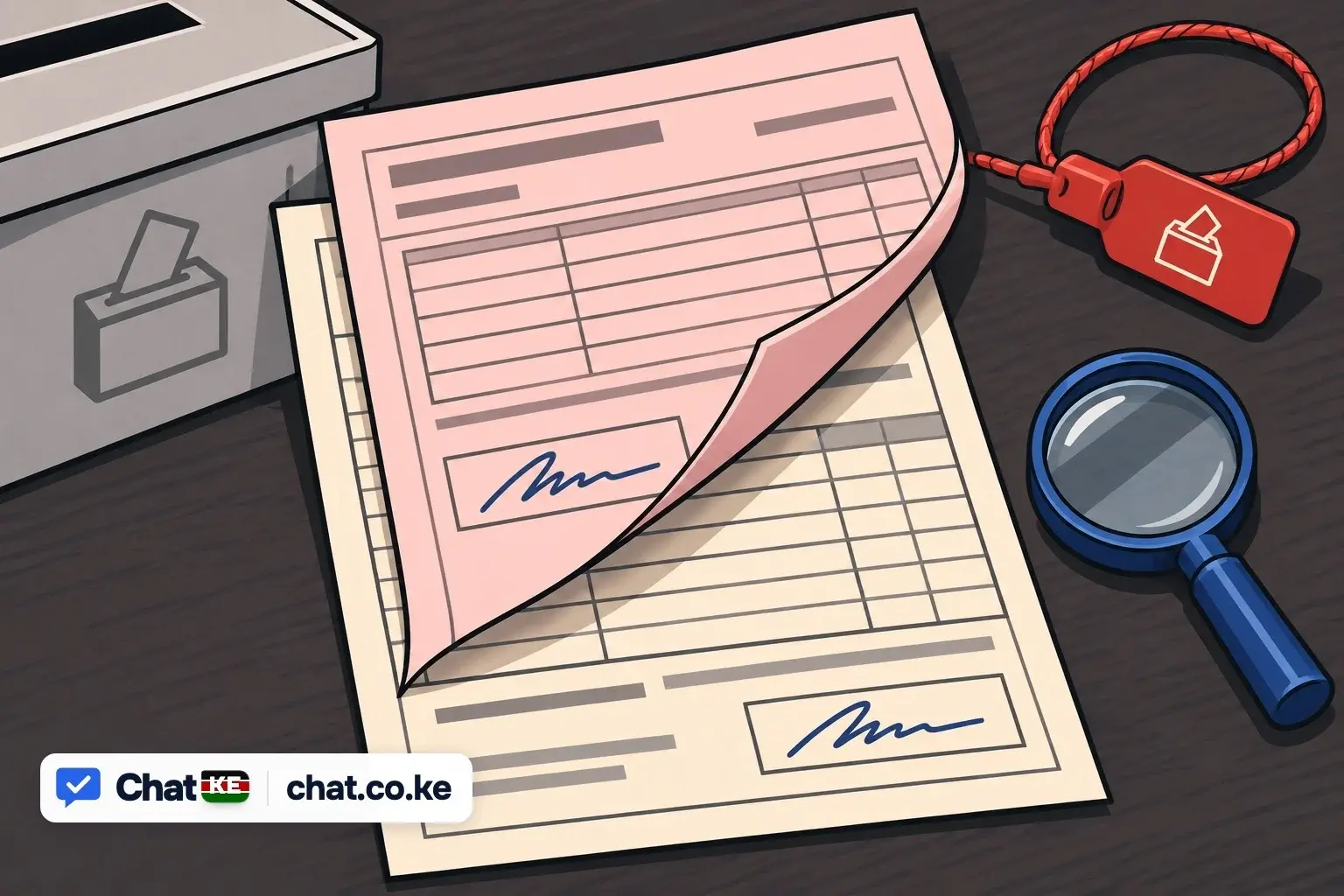
Zambians voted on 13 August 2026. Five days later, the Electoral Commission of Zambia declared President Hakainde Hichilema re-elected with about 60 per cent of valid votes, enough to avoid a run-off. The road to that declaration was anything but smooth.
What happened
Counting was interrupted when tallying was suspended nationwide after attacks on election staff and the theft of marked ballots, according to regional reporting. Opposition candidate Brian Mundubile rejected the official result shortly after it was announced, and Reuters reported that he planned to challenge the presidential tally in court. Turnout in the constituencies declared early was reported at about 55 per cent, lower than in 2021.
The lesson in the tally
When a result is disputed, the argument is settled by paper: the forms signed at each polling station, and the people who watched them being filled in. A candidate with an agent in every station has a copy of every form and a witness to every count. A candidate without one is left arguing from rumour.
Kenya’s own system rests on the same principle. Results declared at the polling station are final, and each candidate is entitled to an agent there to see the count and sign the form.
What Kenyan campaigns can do now
- Count how many polling stations sit in your ward or constituency, and plan for at least one trained agent in each, with a relief for the long night.
- Recruit agents from among your most committed supporters, not on the eve of the vote.
- Agree how agents will send results back to the campaign, and practise it.
- Note that parties and candidates must name their chief election agents by 27 July 2027.
Sources: Al Jazeera · The EastAfrican · Africanews